Overview
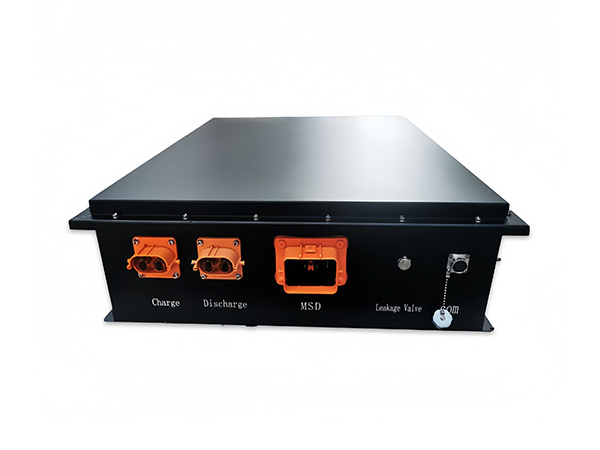
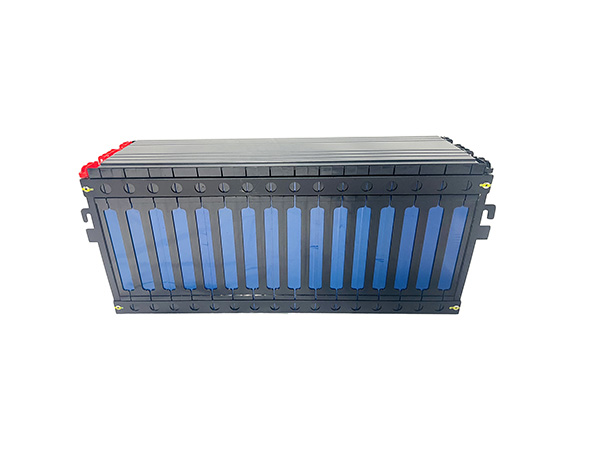
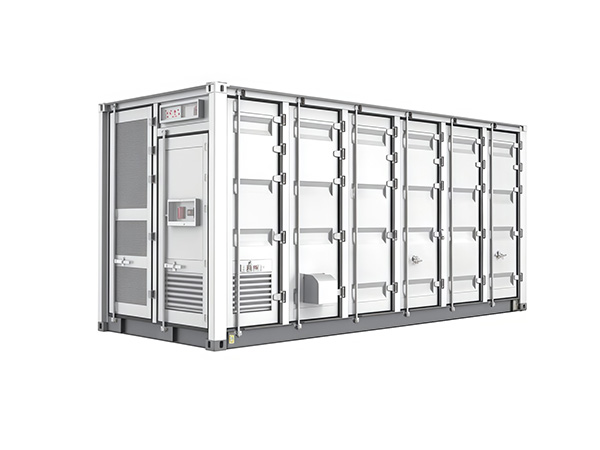
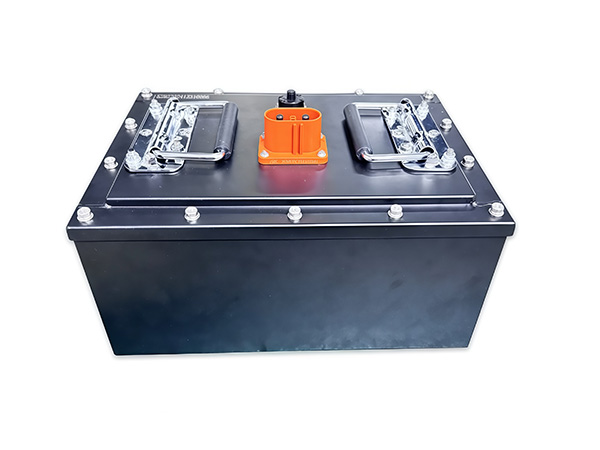
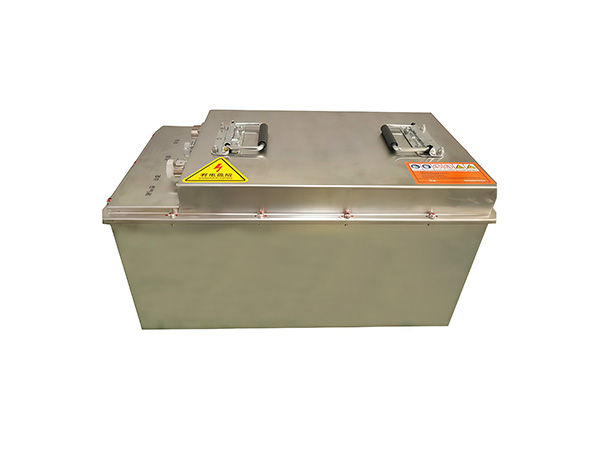
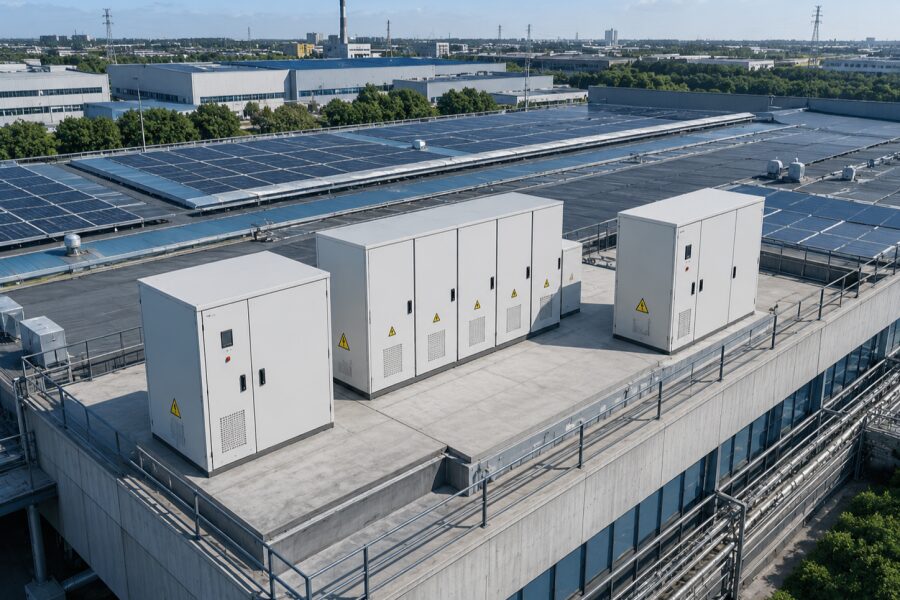
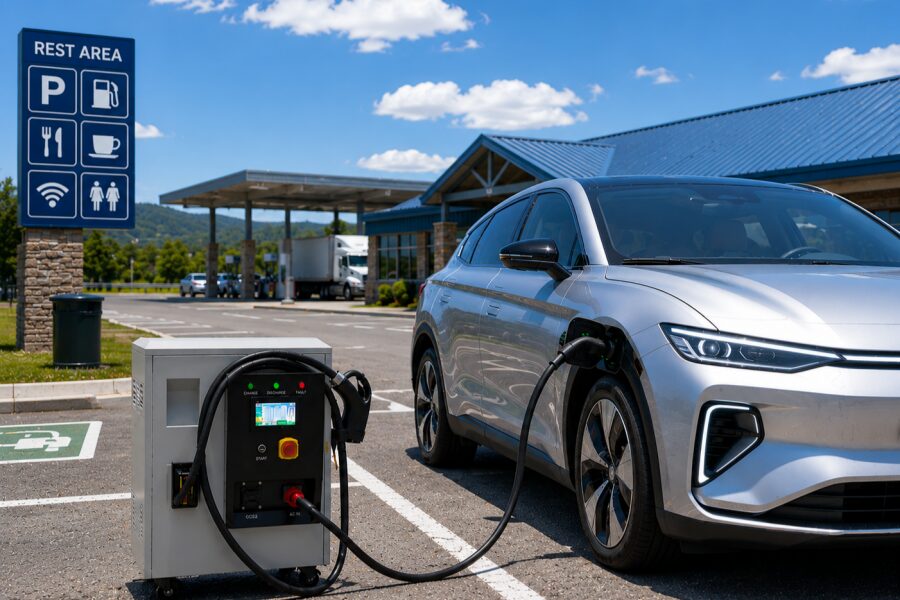
Energy storage battery packs (battery modules) are standardized energy storage units composed of multiple battery cells connected in series and parallel, equipped with a battery management system and safety protection mechanisms, forming independently chargeable and dischargeable units. Addressing the intermittent nature of renewable energy sources such as photovoltaic and wind power, battery packs can effectively store surplus energy and release it on demand, ensuring continuous and stable power supply. With the rapid development of the new energy industry, the demand for energy storage battery packs continues to rise, and large-scale photovoltaic power plants can be equipped with megawatt-hour-level battery packs to provide strong support for the power grid. Currently, lithium-ion batteries, with their high energy density and excellent cycle life, have become the mainstream technology for energy storage battery packs. As a core component for energy storage and output, energy storage battery packs are widely used in renewable energy grid connection, electric vehicles, and other fields, significantly improving energy utilization efficiency, reducing dependence on fossil fuels, and contributing to low-carbon sustainable development.
Customized energy storage battery pack
E-power provides comprehensive customized energy storage battery pack solutions for residential and commercial applications. These solutions can be flexibly configured according to application scenarios, load characteristics, and installation environment to precisely meet diverse energy storage needs.
Customized battery chemistry systems are provided based on cycle life, safety, cost, and operating conditions.
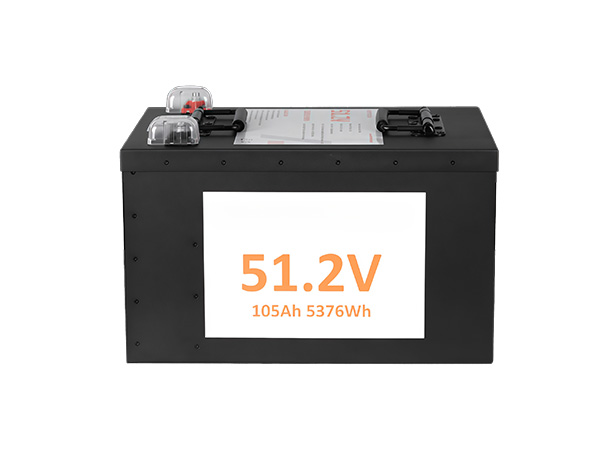
Battery pack capacity is freely designed according to actual power consumption needs, achieving precise matching.
Dedicated nominal voltage solutions are provided based on system topology and equipment compatibility.
Supports various cooling designs such as air cooling and liquid cooling, adapting to different environments and heat dissipation efficiency requirements.
Customizable protection ratings such as IP20 and IP67 are available to ensure reliable operation in various complex indoor and outdoor environments.
The battery management system supports remote monitoring, multiple safety protections, real-time data tracking, and protocol adaptation, enabling intelligent operation and maintenance and refined management.